
Editorial desk · New York
Fashion trends and capsule wardrobe guidance, read closely
Jeddah Vogue Bureau is an editorial resource for U.S. readers who want to understand what is happening on runways and in street style without being pushed toward a checkout page. We interpret seasonal ideas, build capsule wardrobes piece by piece, and look at how real labels approach design, materials, and longevity. Nothing here is for sale.
The desk
1245 Broadway, Suite 402
New York, NY 10001
Monday to Friday
9:00 AM – 6:00 PM
Trend reports
Twice a season: a descriptive first pass as runways land, then a skeptical second pass once street style has reacted.
Open the reportsCapsule guides
Wardrobes built from your actual week — workdays, travel, climate, and what you refuse to iron.
Start a wardrobeBrand guides
Houses read as case studies: what each one keeps returning to, and what that teaches about your own choices.
Compare approaches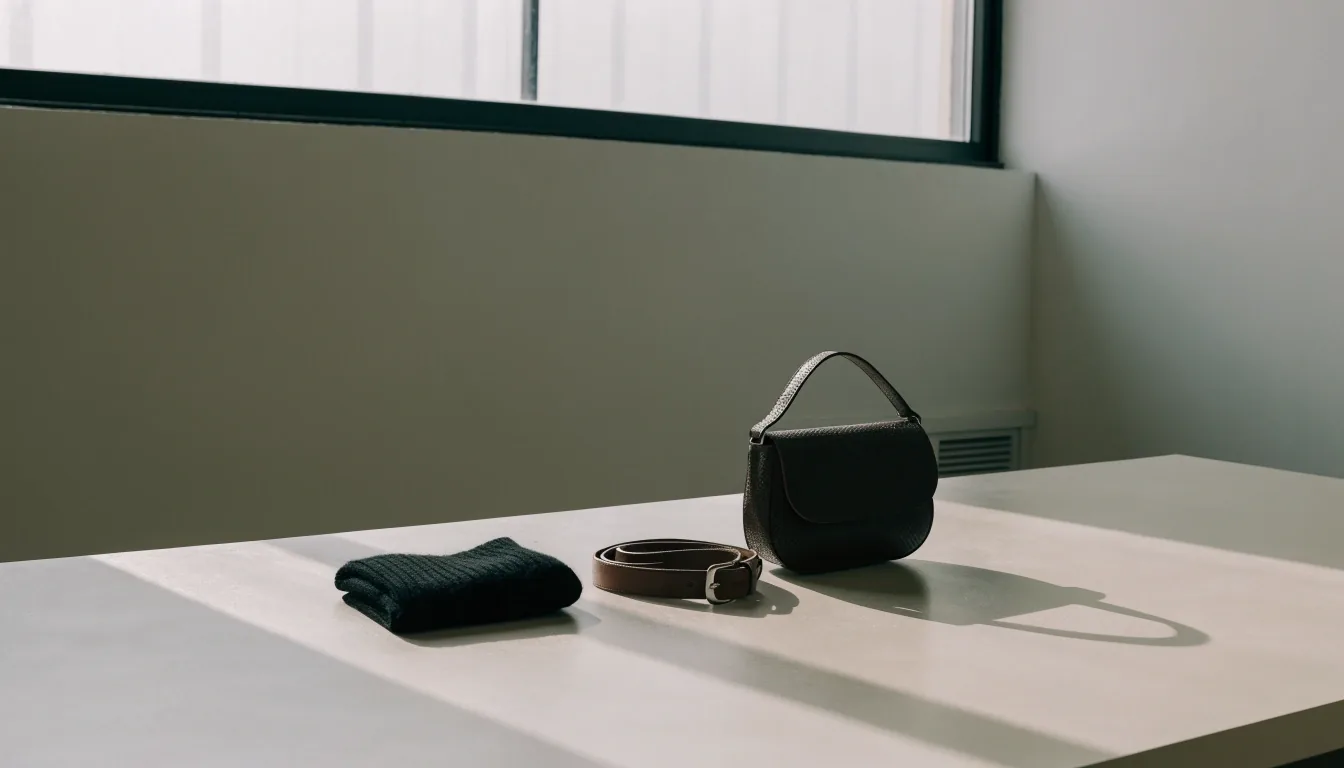
Scope
What this bureau does, and what it refuses to do
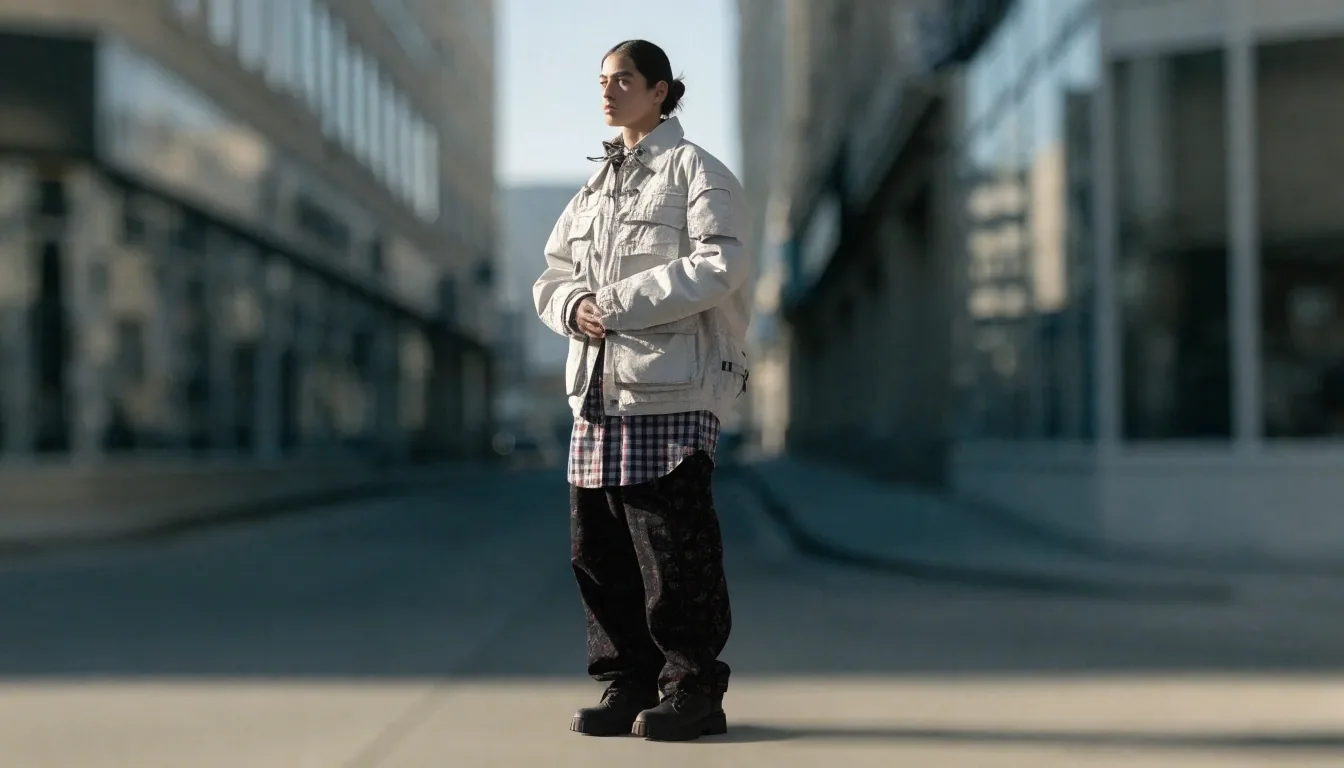
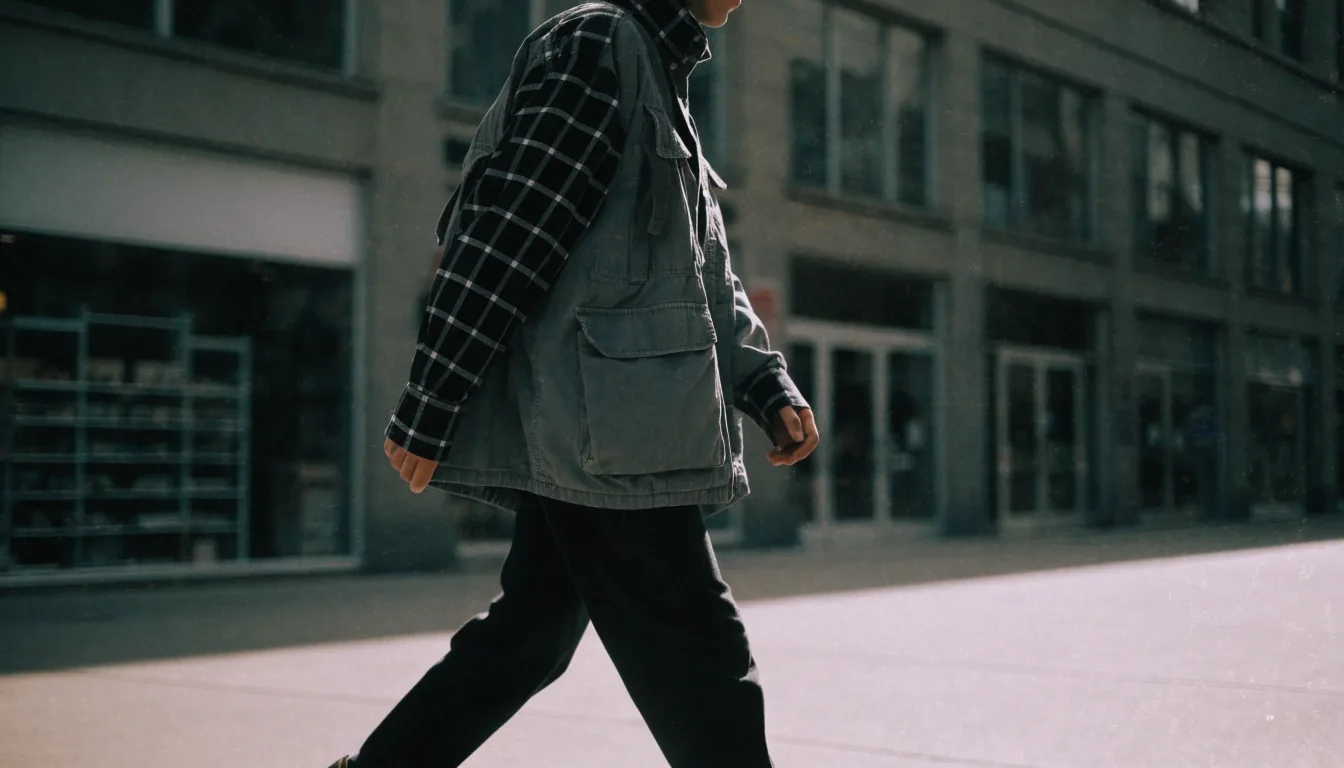
We publish trend reports, wardrobe guides, and brand analysis. That is the whole scope. There is no store on this site, no pricing table, no cart, and no affiliate push dressed up as advice. When we describe a checked shirt or an oversize utility jacket, we are describing a garment category, not a product listing.
Readers come here to think, compare, and plan, then shop wherever they already shop. The address is real: 1245 Broadway, Suite 402, New York, NY 10001, and the editorial desk answers at +1-212-555-0198.
Runway seasons
A runway show is an argument, not an instruction.
When Chanel shifts a dropped waistline or reworks tweed, that is a proposal about proportion, and it takes a season or two to reach a mall in Ohio or a consignment rack in Austin. We separate three things: what designers actually changed, what editors amplified, and what shoppers then searched for.
That last layer is where Lyst data becomes useful, because it shows which ideas survived contact with real wardrobes. A trend that never produces search demand is usually a photograph, not a movement.
Quiet luxury, and where it is heading
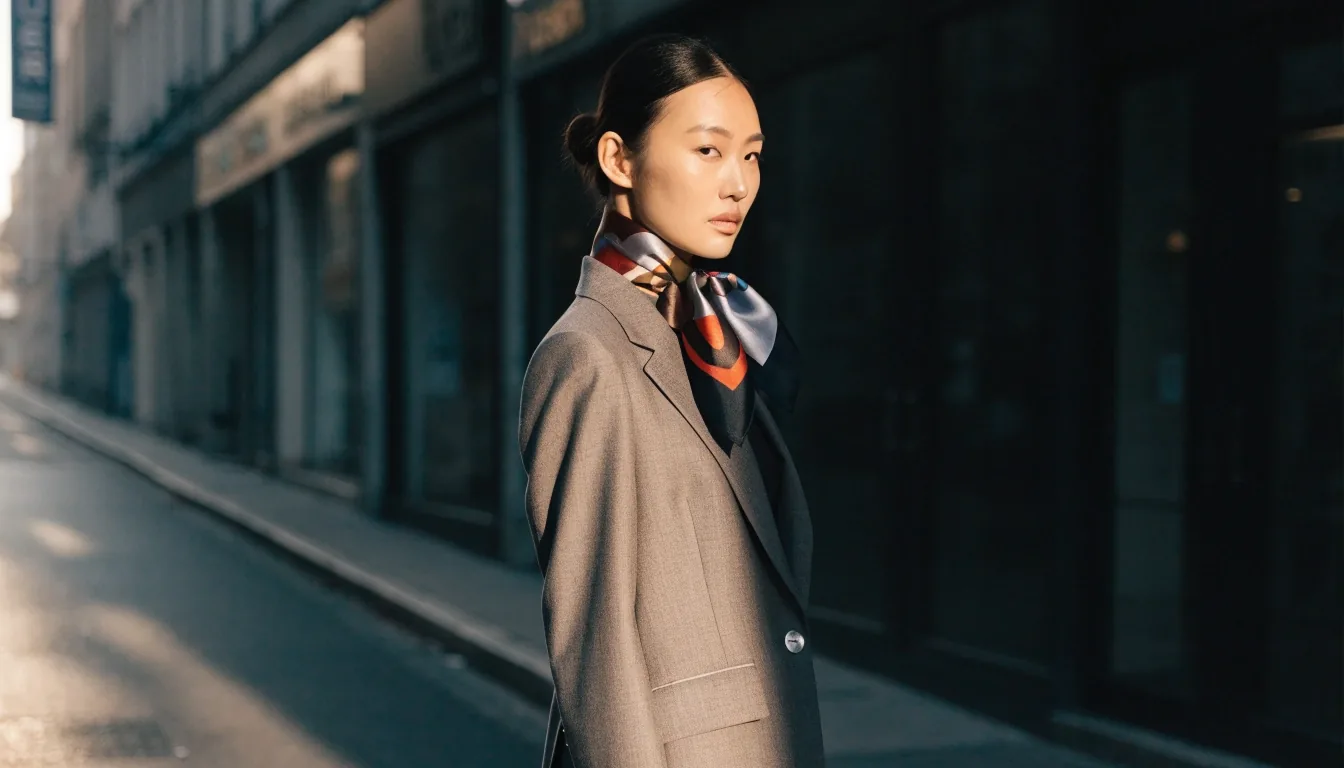
Quiet luxury started as a reaction against logos, and it has already evolved. Khaite is a good example of the next step: polished basics with sharper tailoring, so the restraint reads as deliberate rather than shy.
That shift matters for anyone building a wardrobe, because it changes what "elevated" means. A plain crewneck is no longer automatically the answer. Cut, shoulder line, and fabric weight start doing the work that a monogram used to do. We track that evolution season by season rather than declaring a winner.
Capsule wardrobes for people who actually get dressed
A capsule wardrobe fails when it is built as a shopping list instead of a system. Our guides start from your week: how many workdays, how much travel, what climate, what you refuse to iron. Then we map categories and set a repeatable logic for each.
Category one
Base layers
Tops that sit against skin and survive a full day without fussing. Fit and fabric weight decide everything here.
Category two
Mid-layers
Knitwear and overshirts that bridge a mild morning and a cold office without a second outfit.
Category three
Outerwear
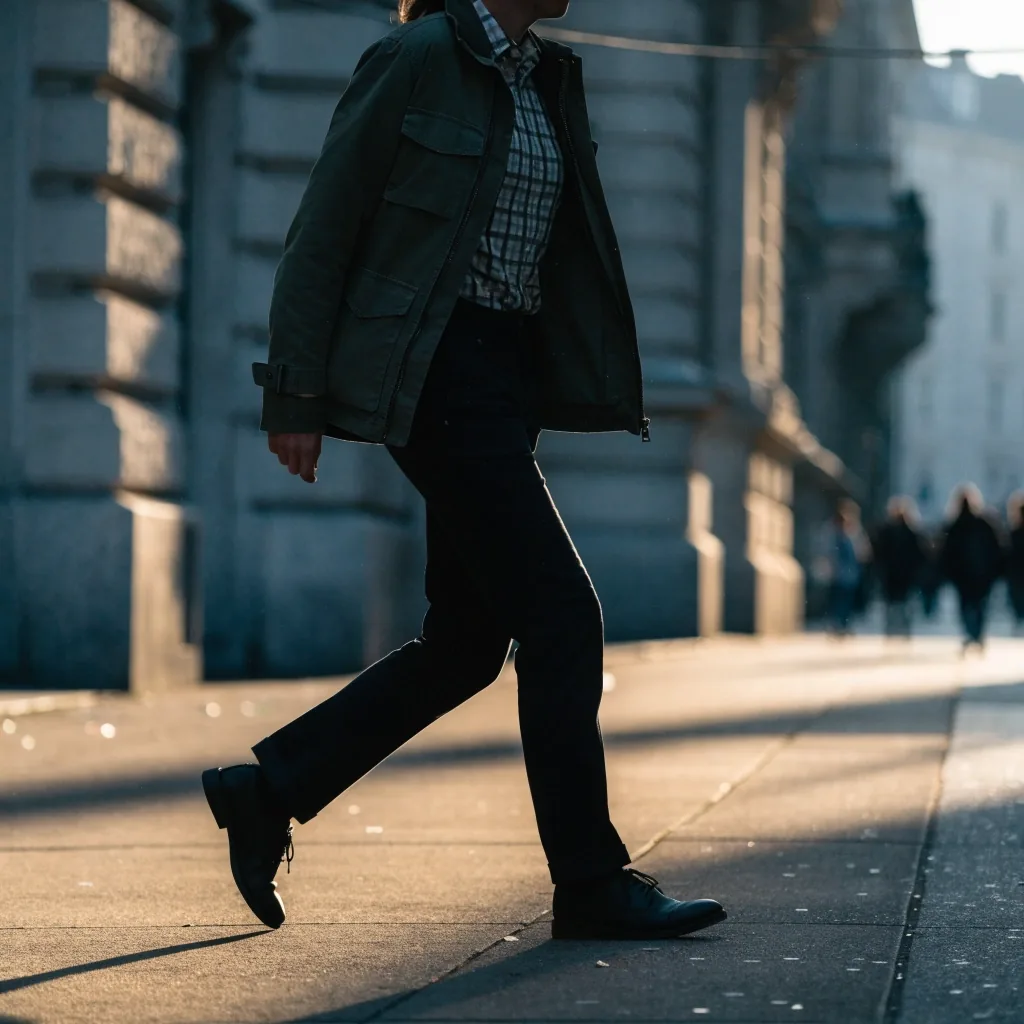
The jacket you reach for at 55 degrees and drizzling. If it only works in one photograph, we say so.
Category four
Shoes
Footwear judged by the commute, not the lookbook. Weather and walking distance are part of the test.
Category five
Accessories
Belts, scarves, and bags that change a silhouette for less than a new coat costs.
Brands like Cuyana matter here because they built their identity around long-wear essentials rather than seasonal churn. That does not make them the only answer, but it makes them a useful reference point when you are deciding how much to spend on a plain white shirt. Build a capsule wardrobe with our category guides.
Soft, romantic tailoring
Chloé
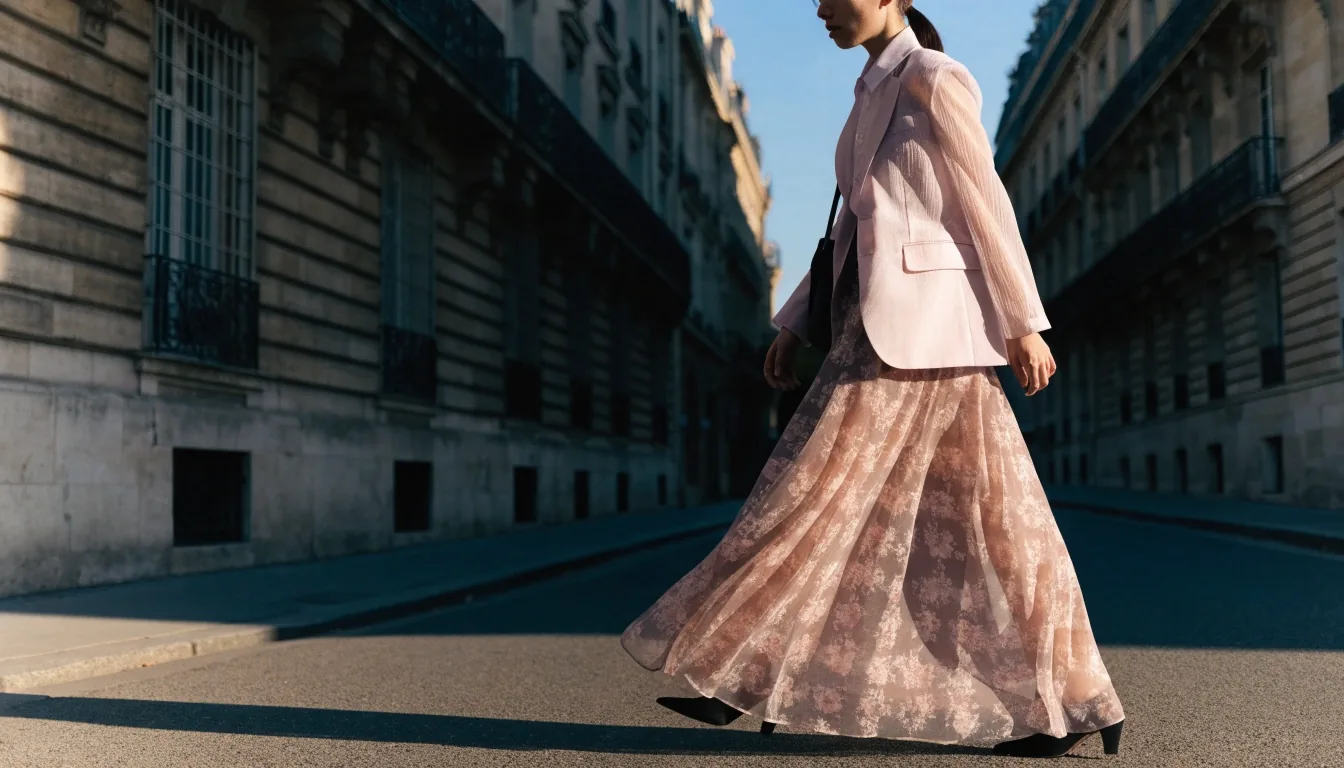
Chloé keeps returning to soft, romantic tailoring and bohemian references, which is why chiffon skirts in folksy plaid keep reappearing in fall coverage.
Controlled accent
Celine
Celine, under Michael Rider's direction, has been using red as a controlled accent rather than a full statement. Read side by side, those two approaches teach you more about personal style than any single lookbook.
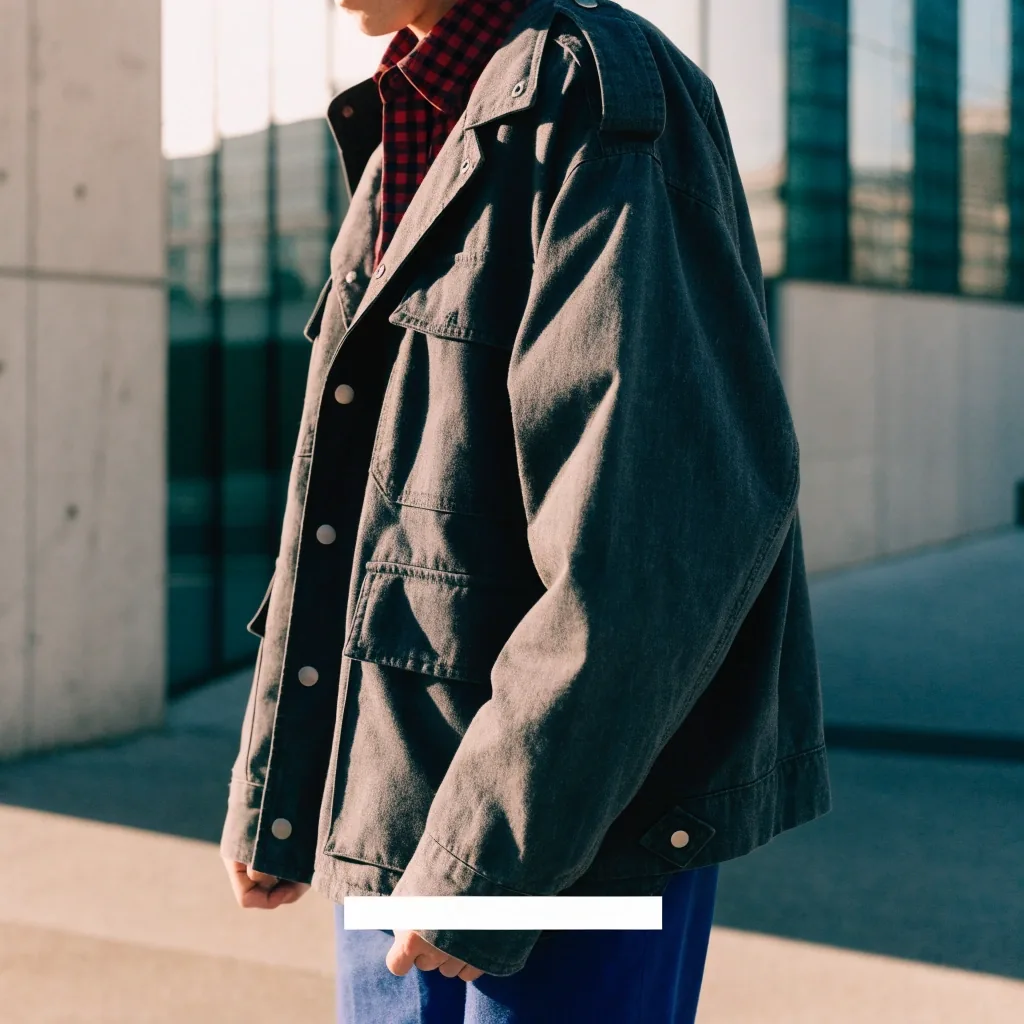
We cover houses and labels as case studies, not as recommendations with a commission attached. Our brand guides exist to compare design logic, not to rank your taste. Compare brand approaches across both lanes.
Sustainability as a filter, not a slogan
U.S. shoppers increasingly use sustainability as a first-pass filter, and that changes which names appear in conversation.
Neither brand below is presented here as a certification or a guarantee. We describe what each is known for and let you weigh it against your own priorities.
Outerknown
A surf-and-outdoors identity, with staples rather than drops. Useful when you want a wardrobe that reads relaxed and durable instead of seasonal.
Thought Clothing
A calmer route, with wearable basics and an emphasis on material and construction over hype.
Read as filters rather than verdicts, both approaches ask the same practical question: what do you actually wear, and what holds up. Compare brand approaches in the full guides.
Trend reports, twice a season
We publish trend reporting as runways land and again once street style has had a few weeks to react. The first pass is descriptive: silhouettes, colors, fabrics, styling tricks. The second pass is skeptical: what actually showed up on real people, in real weather.
Fall 2026 coverage, for instance, keeps circling layered dressing, statement accessories, and the checked shirt as a layering tool rather than a costume. That two-pass structure is deliberate. It keeps us from treating a single show as a mandate.
Read the latest trend reportsWardrobe essentials, defined by use
"Essentials" is a word that gets stretched until it means nothing. We define it by use case instead.
55 degrees, drizzling
The jacket you reach for without thinking. Utility jackets and oversize tailoring tend to survive that test.
The commute
The shoe that survives it. Mid-weight knitwear and a coat that layers cleanly over it.
One bag, two registers
The bag that works with both a blazer and a hoodie, so it does not force a decision each morning.
When a trend earns it
Trend pieces sometimes pass too, but only when they solve a real problem. If a garment only works in one photograph, we say so.
Street style as evidence
Street style photography is not proof that a trend works. It is evidence that someone tried it. We treat it that way, which means we look for repetition across cities and seasons before calling something a direction.
A single striking outfit in SoHo can be a great idea and still be a dead end for most wardrobes. When a look keeps appearing across different body types, budgets, and climates, that is when it earns a section in a trend report.
Accessories and the finishing layer
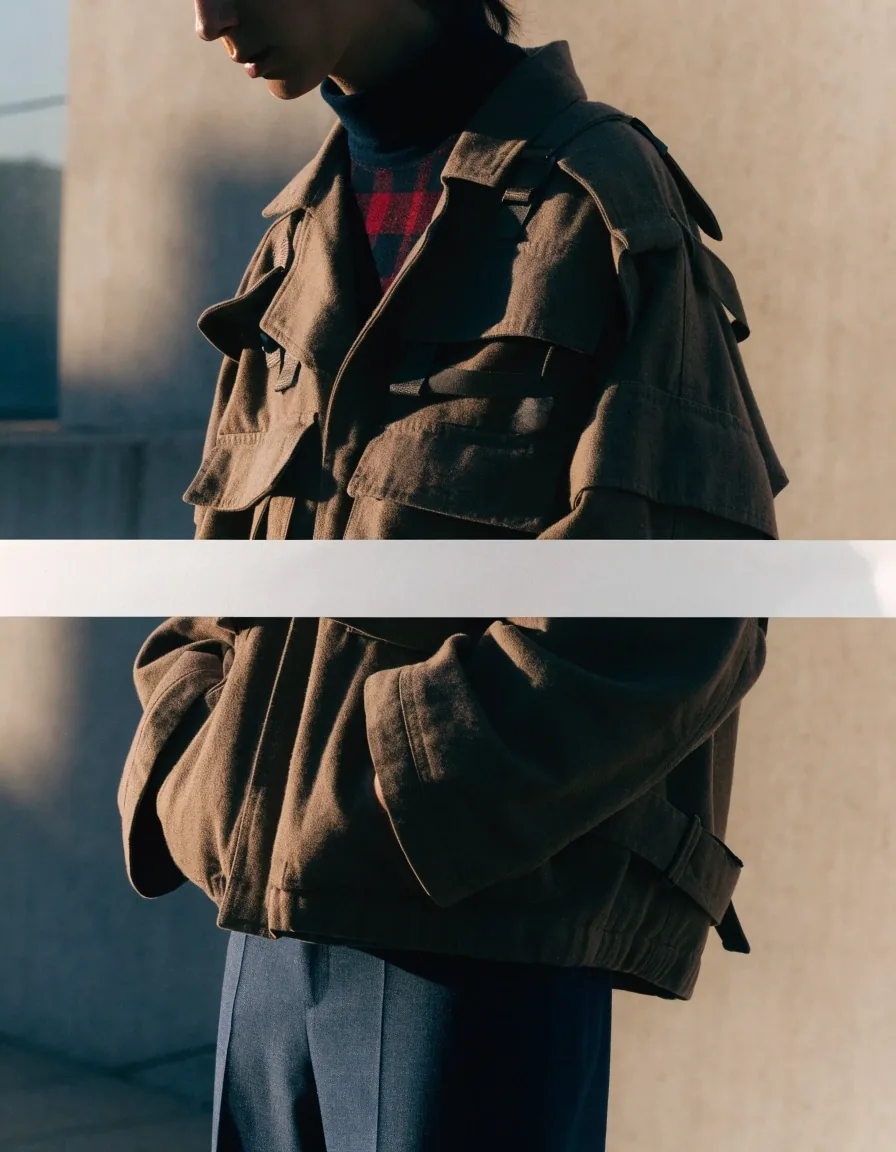
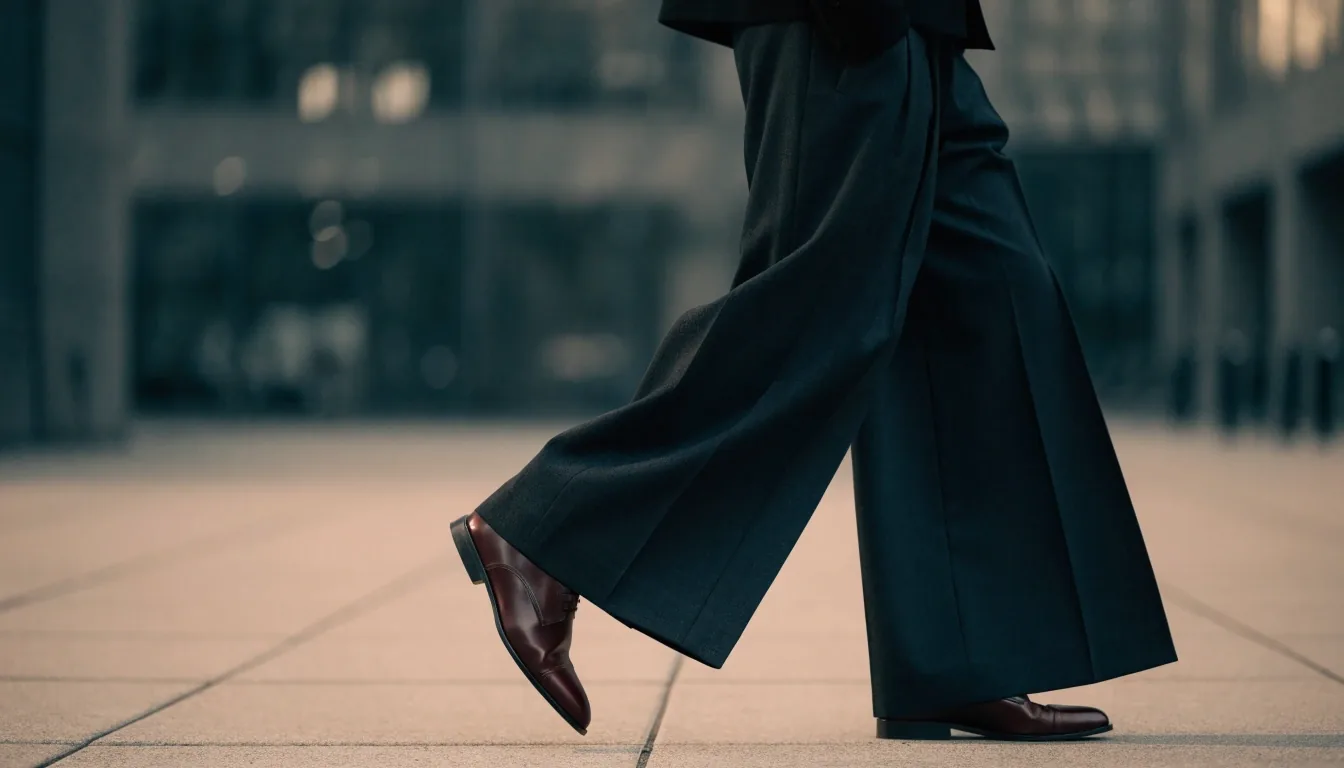
Accessories carry more weight than their size suggests, because they are the cheapest way to change a silhouette. A belt can reset a dropped waistline. A scarf can break up an all-neutral outfit. A structured bag can make an oversize coat look intentional instead of accidental.
We cover statement accessories as tools, with notes on scale, proportion, and what they pair with. That approach keeps a small purchase from becoming a random one.
Read the style notes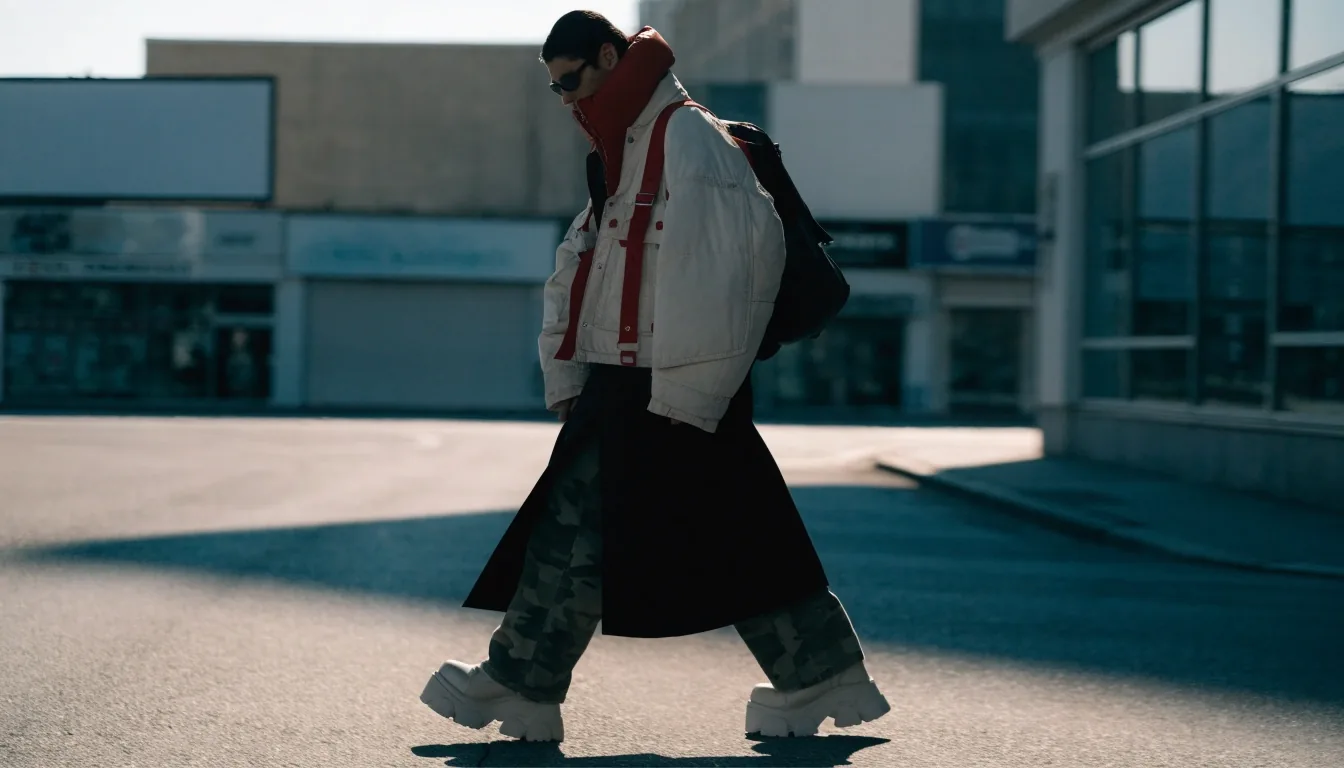
Heritage benchmark
Heritage brands and the plaid revival
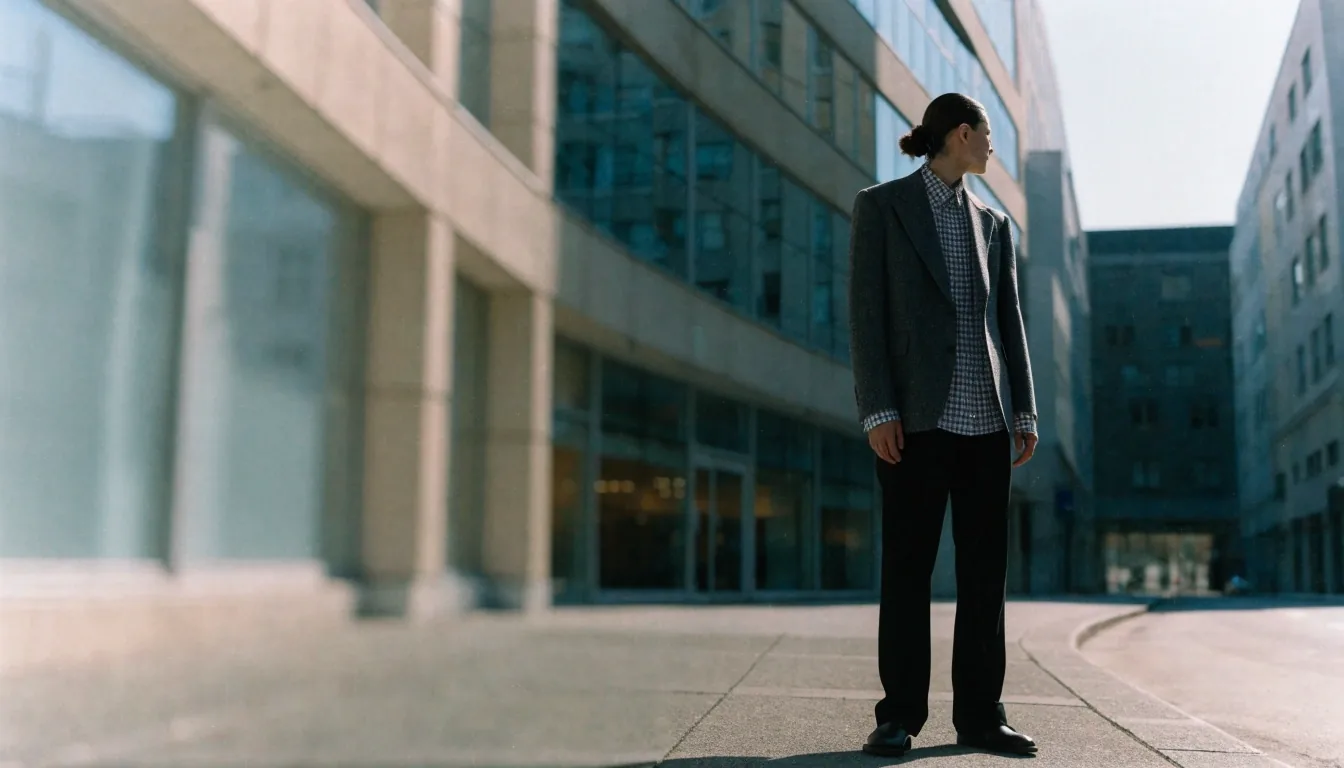
Plaid and tailoring are back in the conversation, and heritage houses are the reason. Chanel's tailoring shifts get referenced because the house has spent decades refining the same codes, so any change reads as meaningful.
That is the value of a heritage benchmark: it gives you a stable reference for judging everything else. When a fast-fashion label copies a silhouette, you can tell what was copied and what was lost. We use that comparison in our brand guides rather than treating heritage as automatically superior.
How to use this site
All three paths lead back to the same question: does this earn its place in your rotation. We do not sell clothing, so the only thing we can offer is a clearer way to decide. That is the point of the bureau.
Questions readers ask
Short answers to the things we are asked most often at the editorial desk.
Does Jeddah Vogue Bureau sell clothing?
No. The site is editorial only. We publish trend reports, wardrobe guides, and brand analysis. There is no store, no checkout, and no pricing.
Where do you get trend information?
We follow runway coverage, street style reporting, and shopping-demand data such as Lyst, then compare what designers changed with what shoppers actually searched for. We describe sources in general terms inside articles.
Can I suggest a brand for coverage?
Yes. Use the contact page and describe the label and why it is relevant. We read every suggestion and reply when there is a clear editorial reason to pursue it.
Do you accept payment for coverage?
No. Brand coverage is editorial and brand-agnostic. If that changes, it will be disclosed in plain language on the About page.
Send a correction or question to the editorial desk
We read every suggestion, correction, and question that reaches the desk. If you have spotted something we should re-examine, or a label worth covering, tell us why it matters.
1245 Broadway, Suite 402
New York, NY 10001, USA
+1-212-555-0198
[email protected]
Monday to Friday
9:00 AM – 6:00 PM