
Jeddah Vogue Bureau Jeddah Vogue Bureau
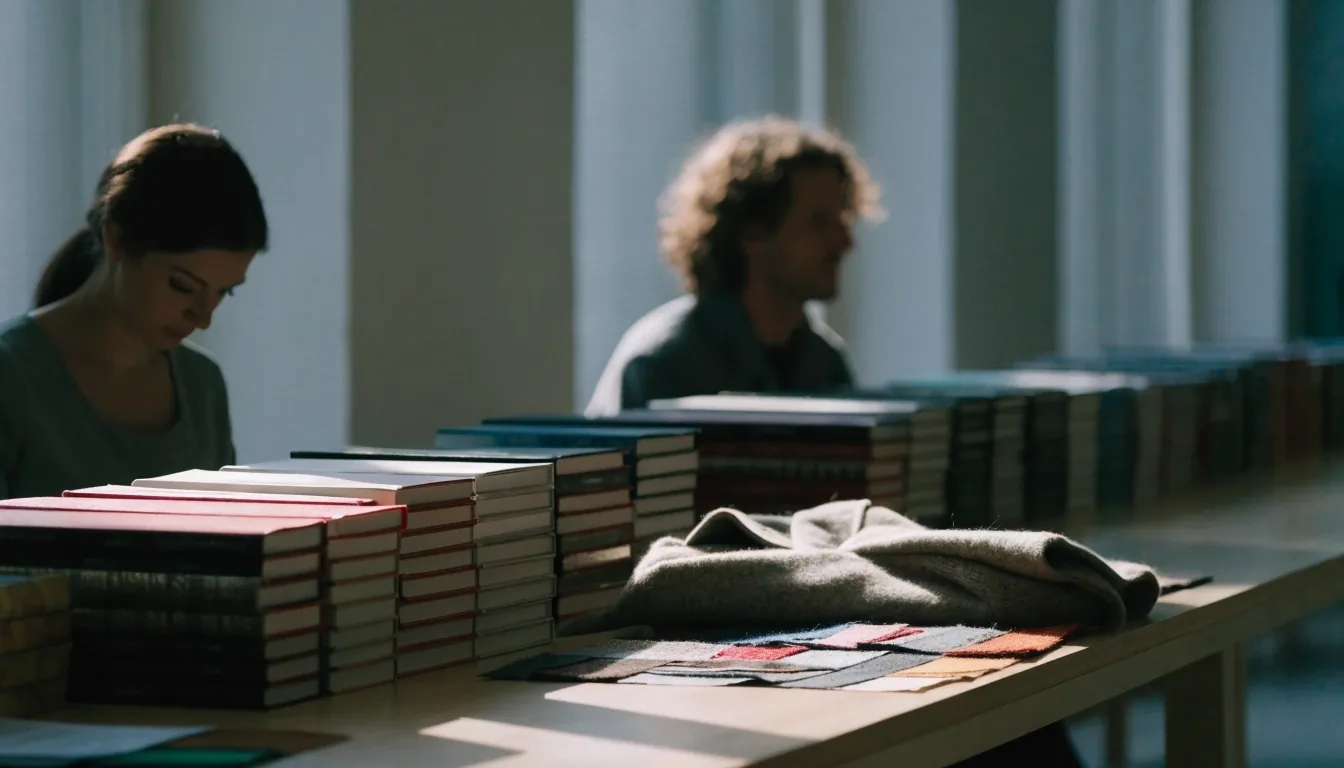
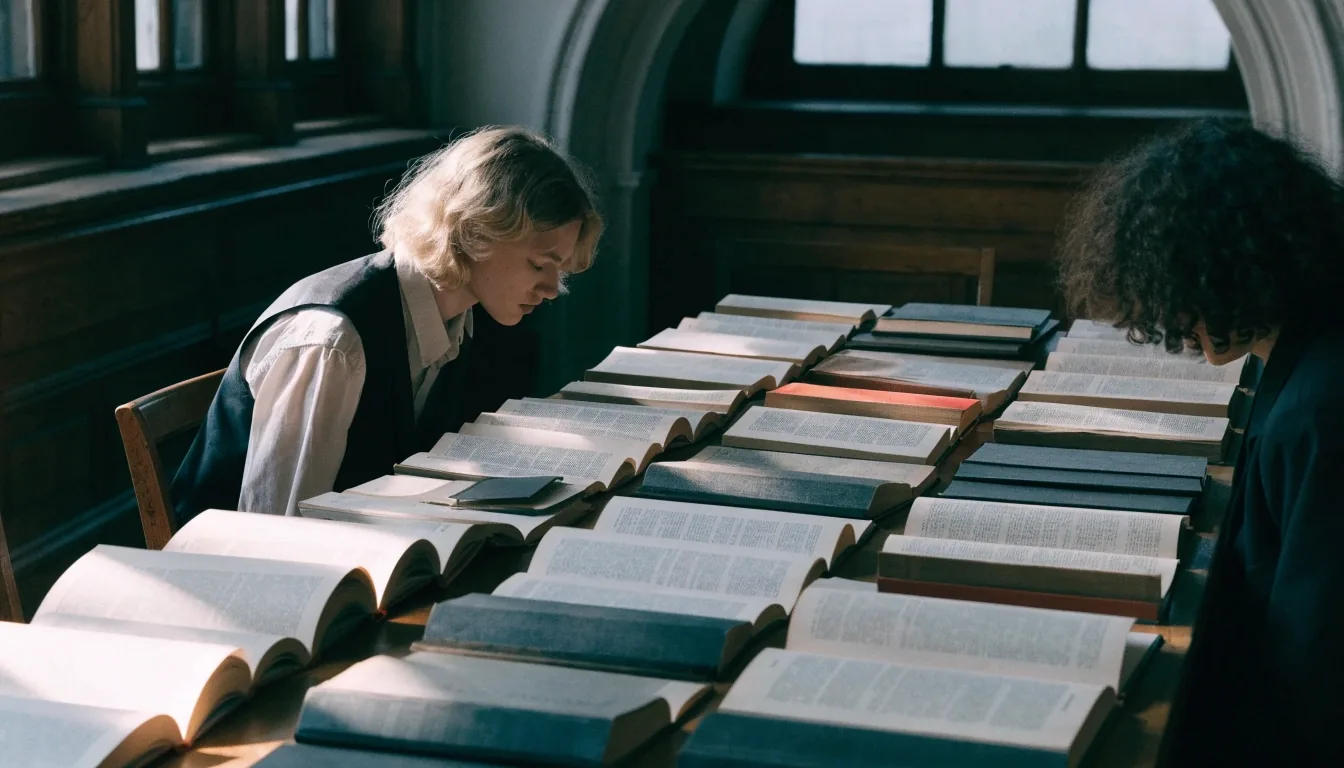
Editors reviewing printed trend plates at a long table in the bureau's reading room

Jeddah Vogue Bureau · New York editorial desk

Who produces the editorial guidance here

Jeddah Vogue Bureau is an editorial team writing about fashion for U.S. readers. We are not a retailer, a marketplace, or a review farm. This page explains who produces the work, how we research it, and what standards govern the brand coverage you read.

What the bureau is

A working editorial desk, not a shopfront. Everything we publish is written: trend interpretation, wardrobe guidance, and brand analysis. There is nothing to add to a bag and nothing to check out.

Where we sit

We are an editorial operation based at 1245 Broadway, Suite 402, New York, NY 10001. The desk can be reached at +1-212-555-0198, and the editorial inbox is open Monday to Friday, 9:00 AM – 6:00 PM.

The office is a working room, not a showroom. Visitors who write ahead usually find an editor reading printed trend plates and comparing them against the season's runway notes.

What we publish

Trend reports that trace an idea from runway to street, capsule wardrobe guides that describe how pieces work together across a season, and brand analysis that weighs design approach, materials, and wardrobe relevance.

If you arrived looking to buy clothing, you are in the wrong place, and we would rather say that clearly than waste your time. The work here is reading material for people planning what they wear.

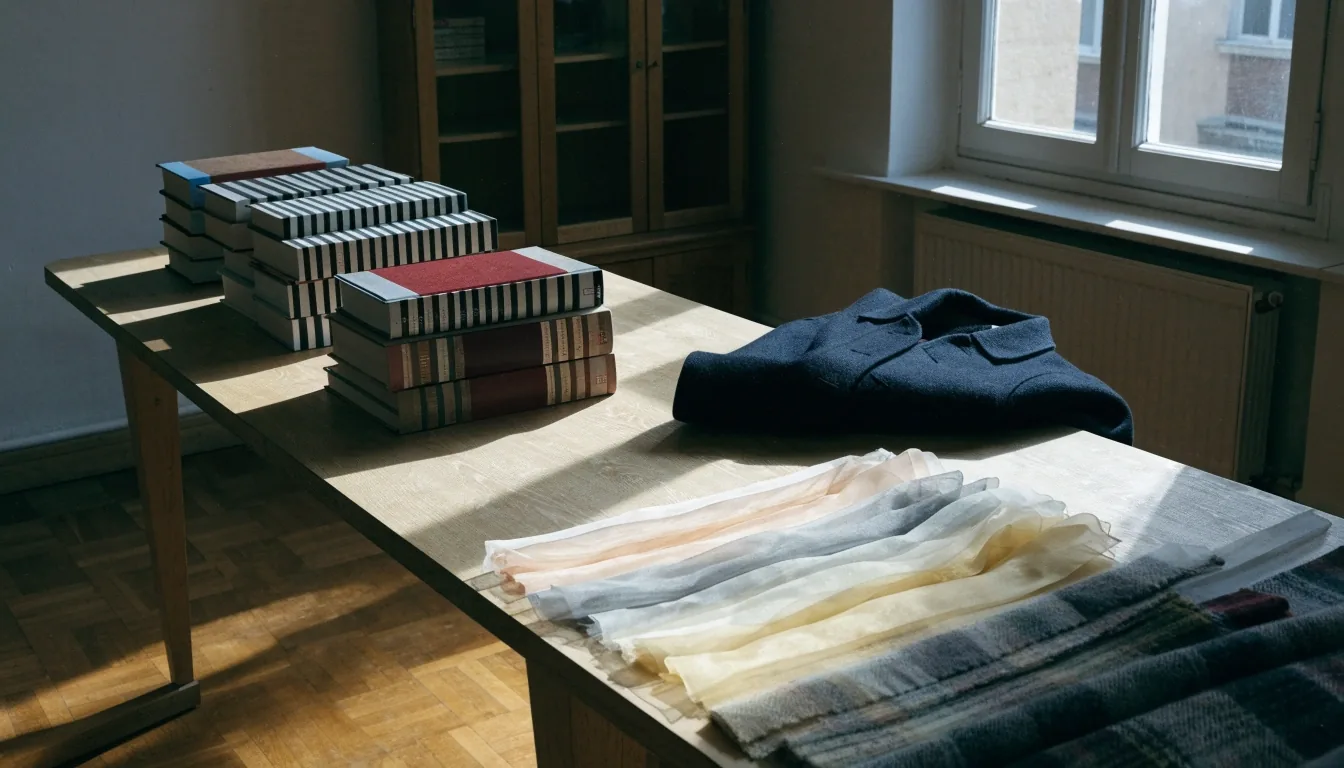
Fabric swatches and printed street-style plates laid out during trend research

How trends get researched

Our process starts with runway coverage and then moves outward. We look at what designers changed, what editors amplified, and what shoppers searched for afterward. Data platforms such as Lyst are useful for that last step, because demand figures show which runway ideas translated into real interest.

We treat that data as one input, not a verdict. A trend only earns a full report when it shows up across more than one source and survives a few weeks of street-level testing.

Step one

Runway coverage

We read the season's shows and note what actually changed: a silhouette, a proportion, a color direction, a fabric that moved from one house to six.

Step two

Demand signals

Search and demand figures show whether an idea landed with people who were not in the room. That is the difference between a runway moment and a trend readers can act on.

Step three

Street testing

Weeks of watching how the idea is actually worn, not just photographed. If it survives that window across more than one source, it earns a report.

A trend only earns a full report when it shows up across more than one source and survives a few weeks of street-level testing.

That rule slows our publishing schedule on purpose. A story that holds up in February is still worth reading in August.

Why brand coverage is brand-agnostic

We do not accept payment for coverage, and we do not run affiliate links dressed up as recommendations. When we write about a house, we are describing design approach, materials, and wardrobe relevance.

Those descriptions come from published reporting and the brands' own stated positioning, not from private arrangements. If that policy ever changes, the change will be stated on this page in plain language, not buried in a footer.

See how brands are covered

Houses we have written about

  • Chloé Softened tailoring and fluid layering — read for how a romantic house handles structure without losing ease.
  • Celine Sharp proportion and restrained color — useful when you want a wardrobe with a hard edge and few moving parts.
  • Khaite Weighted knitwear and clean knit-to-tailoring transitions — a reference point for pieces worn many times a week.
  • Chanel House codes and tweed construction — we describe how the silhouette moves rather than what it costs.
  • Cuyana Fewer, better pieces in plain materials — a practical lane for building a first capsule without noise.
  • Outerknown Relaxed, durable everyday wear — we look at how the fabric behaves after a season, not at the launch.
  • Thought Clothing Natural fibers and easy shapes — a lane for readers who want a softer, more forgiving wardrobe rhythm.
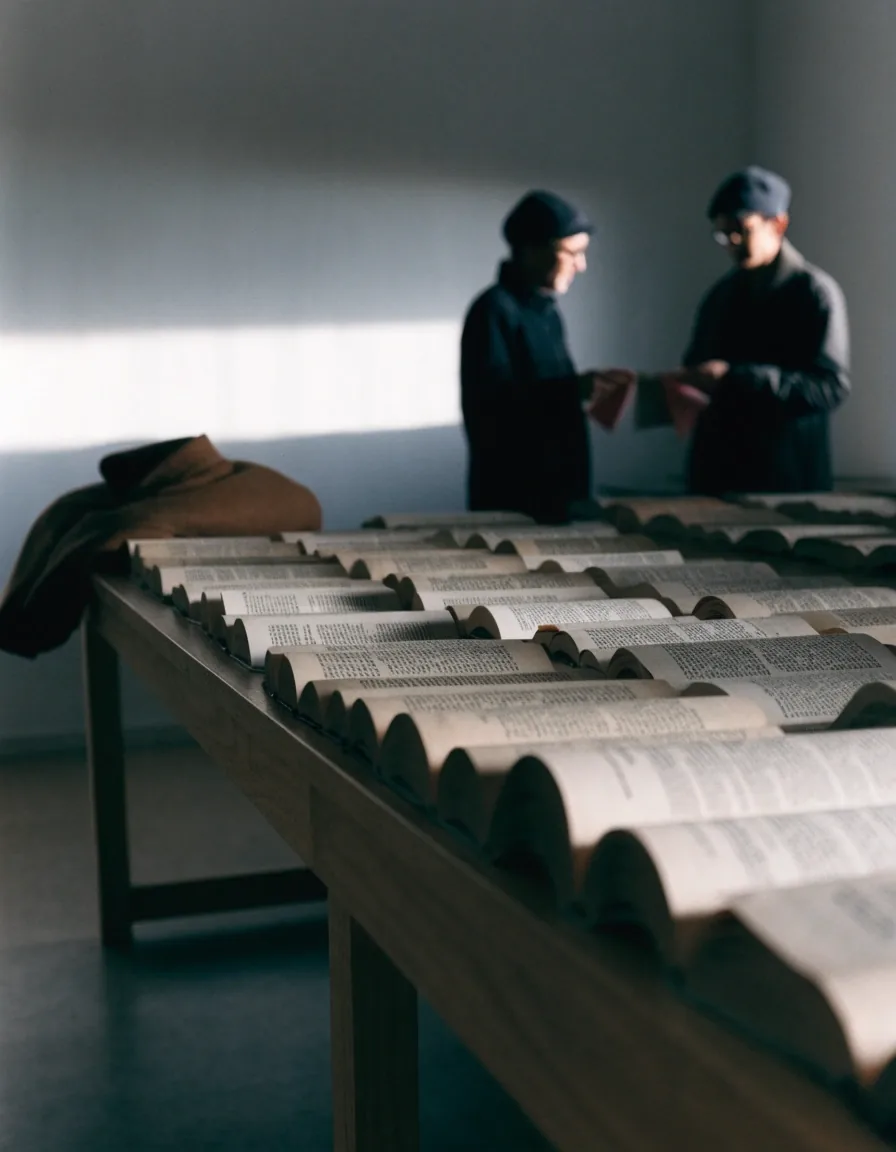
An editor comparing printed trend plates against fabric samples at her desk

How we choose what to cover

Coverage decisions start from reader questions. If the same question keeps arriving, whether it is about plaid, tailoring, or how to build a first capsule, that becomes an assignment.

We also cover houses when they shift something structural, like a silhouette or a color strategy, because those shifts tend to affect the wider market. We do not cover brands simply because they are launching something. A launch is not a story unless it changes how people dress.

Reader questions first

Repeated questions become assignments. That is why our guides tend to answer the thing readers keep asking instead of the thing the season keeps announcing.

Structural shifts only

A new drop is not news. A change in proportion, material, or color direction is, because it reaches wardrobes that never touched the runway.

Editorial standards

Three standards govern the work. They are not glamorous, but they are what makes a trend report usable six months after publication.

Describe, don't prescribe

We explain what a trend asks of a wardrobe instead of telling you to buy it. That means naming the silhouette, the fabric weight, and the pieces a trend displaces — and letting you decide whether it belongs in your closet.
Evidence, then opinion

We separate what published reporting shows from what our editors think about it, and we label the difference when it matters. A reader should be able to tell which sentence is a fact and which one is a judgment.

Correct in the open

When an error is ours, we fix the article and note the change rather than quietly editing it away. Corrections sit with the piece so a reader who saved the page can see what moved.

Layered knit, tailored jacket, and utility piece laid out in a row on paper

What we do not do

  • We do not sell clothing, and we do not operate a marketplace.

  • We do not publish fabricated reviews, invented ratings, or made-up testimonials.

  • We do not promise outcomes, and we do not claim a piece of clothing will change your life.

  • We also do not publish financial or medical advice, and nothing on this site should be read as either.

  • If a claim cannot be supported by published reporting or a brand's own statements, it does not run.

Who writes the guides

The guides are written by editors who follow the U.S. market closely and who work from the same set of sources we cite in articles. We do not use ghostwritten filler or auto-generated trend lists.

When a guide describes fabric weight or seam construction, that description reflects what the piece actually does in wear. Where we have not handled a garment, we say so and keep the advice general rather than inventing specifics.

That is also why our guides name the sources behind a claim. If a description comes from a brand's own material notes, we say that. If it comes from reporting, we say that instead.

How to reach the team

The contact page is the fastest route. Corrections, coverage suggestions, and questions about our standards all go to the same editorial inbox, and we read every message.

If your note concerns a factual error, include the article and the detail in question so we can check it against the original source. We reply when there is something concrete to say, and we publish corrections when the error is ours.

Editorial desk

1245 Broadway, Suite 402, New York, NY 10001, USA

+1-212-555-0198 · [email protected]

Monday to Friday, 9:00 AM – 6:00 PM

Questions readers send us

Is Jeddah Vogue Bureau a magazine or a retailer?

It is an editorial site. We publish written guidance about trends, wardrobes, and brands. Nothing is sold here, and there is no checkout.

Do brands pay to be covered?

No. Coverage is editorial and brand-agnostic. Any future change to that policy would be disclosed on this page.

How do you handle mistakes?

We check reported errors against the original source. If the error is ours, we correct the article and note the change.

Can I suggest a trend or a house to cover?

Yes, and reader questions are where most assignments begin. Send the suggestion through the contact page with a short note about what you keep seeing on the street or asking about yourself.

The bureau's reading room at the end of the day with volumes stacked on the table

Start with the reports, or write to the desk

The trend reports are the clearest picture of how this editorial process works in practice. If you want to question a claim, suggest a house, or ask how a guide was put together, the contact page reaches the same editors who wrote it.