

A belt resets a waistline
On a loose dress or an untucked shirt, a belt moves the visual waist back to where you want it. Width matters more than the buckle: a slim belt reads as a detail, a wide one reads as a construction line.

Styling notes · 5 November 2026
Short observations you can apply this week, drawn from runway coverage and street style. Each note covers one decision — a color accent, a tailoring shift, a proportion fix — so nothing asks you to rebuild your wardrobe.
Nine notes, one decision each
Style notes are short by design. They are adjustments, not instructions — read the ones that match what is already hanging in your closet, and skip the rest.
Color
One controlled accent inside a neutral look
Tailoring
Where the shoulder seam and hem actually land
Proportion
Volume in one place, structure in another
Accessories
Judged by the job they do to a silhouette
Heritage
Borrow one element, not the whole costume
Cut
Sharper shoulders, less relaxed drape
Technique
Street-style details that repeat across cities
Restraint
What to leave on the rail this season
Notes are drawn from published runway and street-style coverage and rewritten as wardrobe-level guidance. Nothing here is a product recommendation.
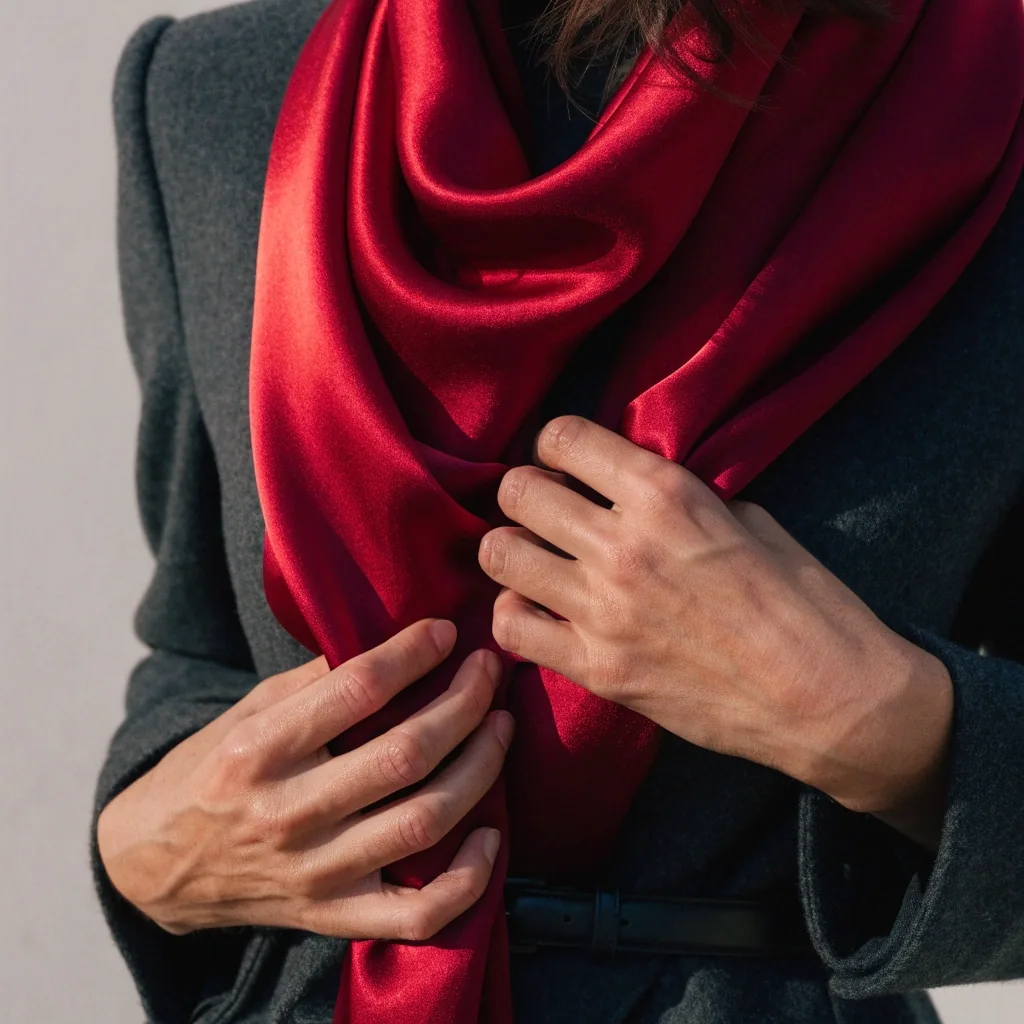
Color accent
The fastest way to make an existing wardrobe feel current is a single controlled accent. Celine and Khaite have both used red that way in recent coverage, as a precise element inside neutral looks rather than a full color story.
Pick one accent color and repeat it in small doses: a scarf, a belt, a pair of shoes. Repetition is what makes it read as a choice rather than an accident, and you can change the accent next season without touching anything else.
Tailoring shifts are usually described in grand terms, but the practical change is small. A dropped waistline, a wider shoulder, a longer jacket hem. Each one moves where the eye stops, and each one can be judged in a fitting room in under a minute.
When you try a blazer, check the shoulder seam first, then the hem, then the waist. If two of the three land where you want them, a tailor can handle the third. Chanel's tailoring coverage is useful here precisely because the changes are measured rather than dramatic.

Proportion
Volume in one place needs structure somewhere else. An oversize coat works over a fitted base, not over another oversize piece. The same logic applies to wide trousers: a closer-fitting top keeps the silhouette readable.
This is the most common styling error we see in street-style photos, and it is also the easiest to fix. Before you leave the house, check the outfit from the side. If everything is loose, tighten one element.
Jump to the accessory notesA good accessory changes a silhouette, not just a look. Judge each piece by the job it does rather than by how it looks alone — that test is worth applying before you buy.
On a loose dress or an untucked shirt, a belt moves the visual waist back to where you want it. Width matters more than the buckle: a slim belt reads as a detail, a wide one reads as a construction line.
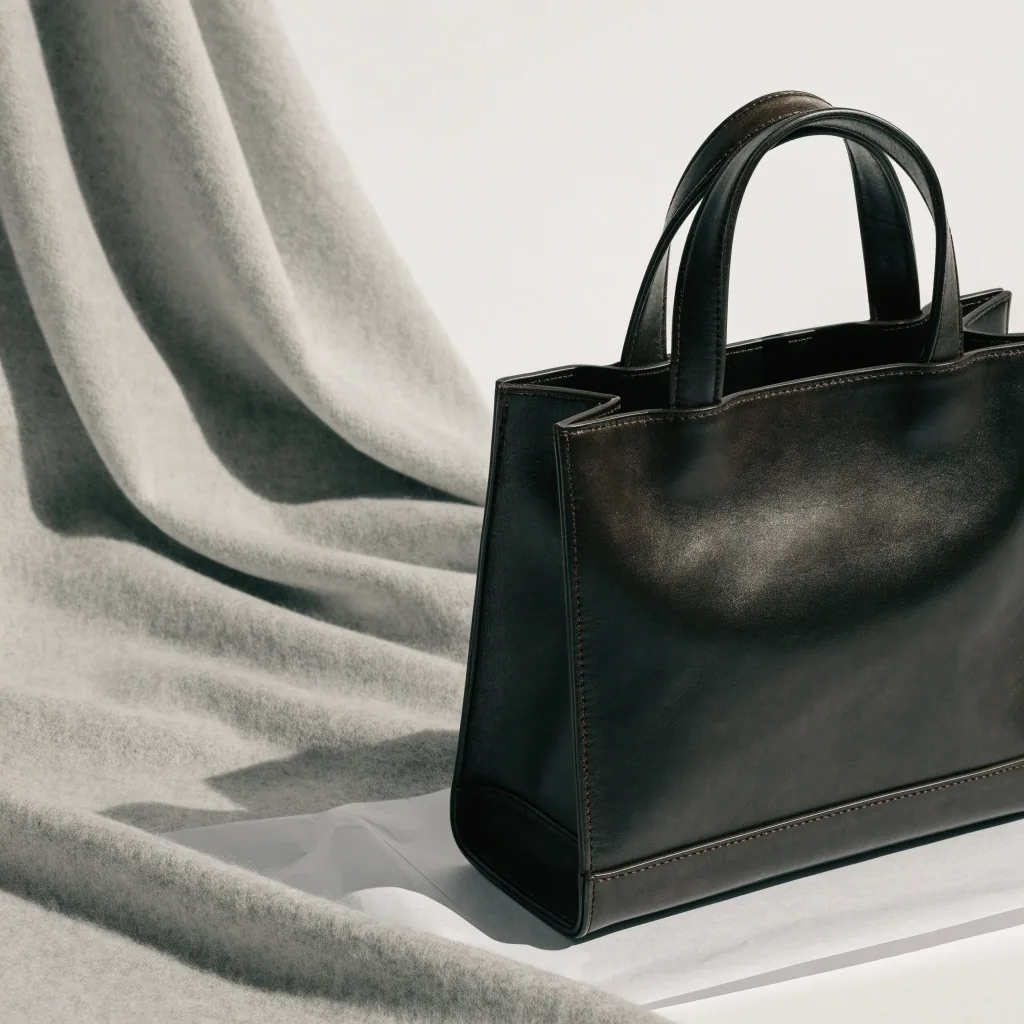
When everything you are wearing drapes, a bag with hard corners gives the whole look an edge to read against. The reverse holds too: a slouchy bag can loosen a very tailored outfit.
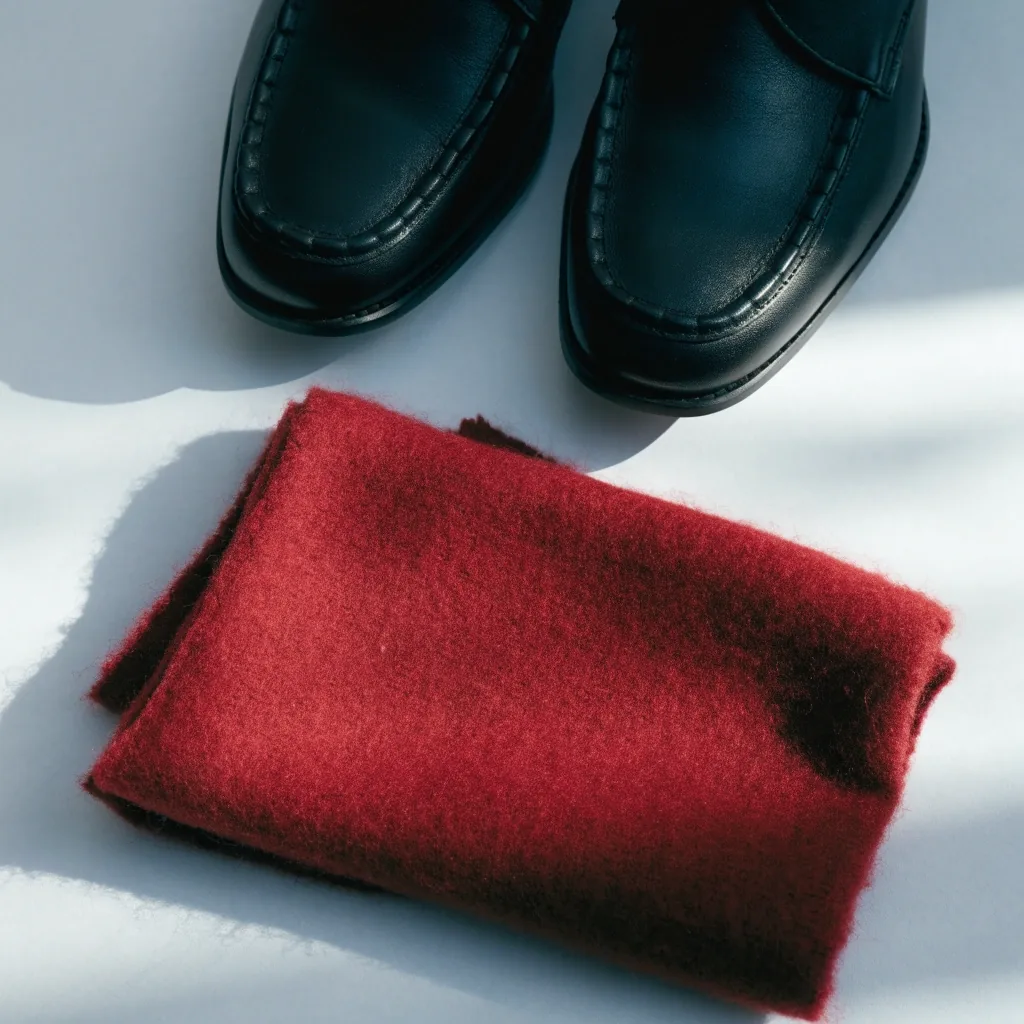
A scarf is the cheapest way to test an accent color before you buy anything in it. Wear it for a week; if it keeps working with what you own, the color has passed the test.
One caution that applies to all three: if a piece only works with one outfit you already own, it will spend most of its life in a drawer. Buy for the wardrobe you have, not for a single image you liked.
Copy the technique, not the outfit. The technique will fit your clothes; the outfit probably will not.
That single rule is why we collect street-style details rather than street-style looks. A cuff rolled a specific way, a bag worn crossbody to break a long line, a coat left open to show the layer underneath — these are techniques, and they cost nothing.
Heritage
Heritage styling gets copied constantly, and the copies are usually easy to spot because the proportions are off. The useful approach is to borrow one element, not the whole look. A tweed jacket with modern trousers. A plaid shirt with a clean coat.
Heritage works best as a texture or a pattern reference, not as a full costume. That keeps the outfit readable in 2026 rather than in a period photograph — the point is a current wardrobe with one old reference inside it, not a recreation.
Practical version: pick the heritage piece first, then dress the rest of the outfit as plainly as you can. If the outfit still reads well without the heritage element, you have used it correctly.
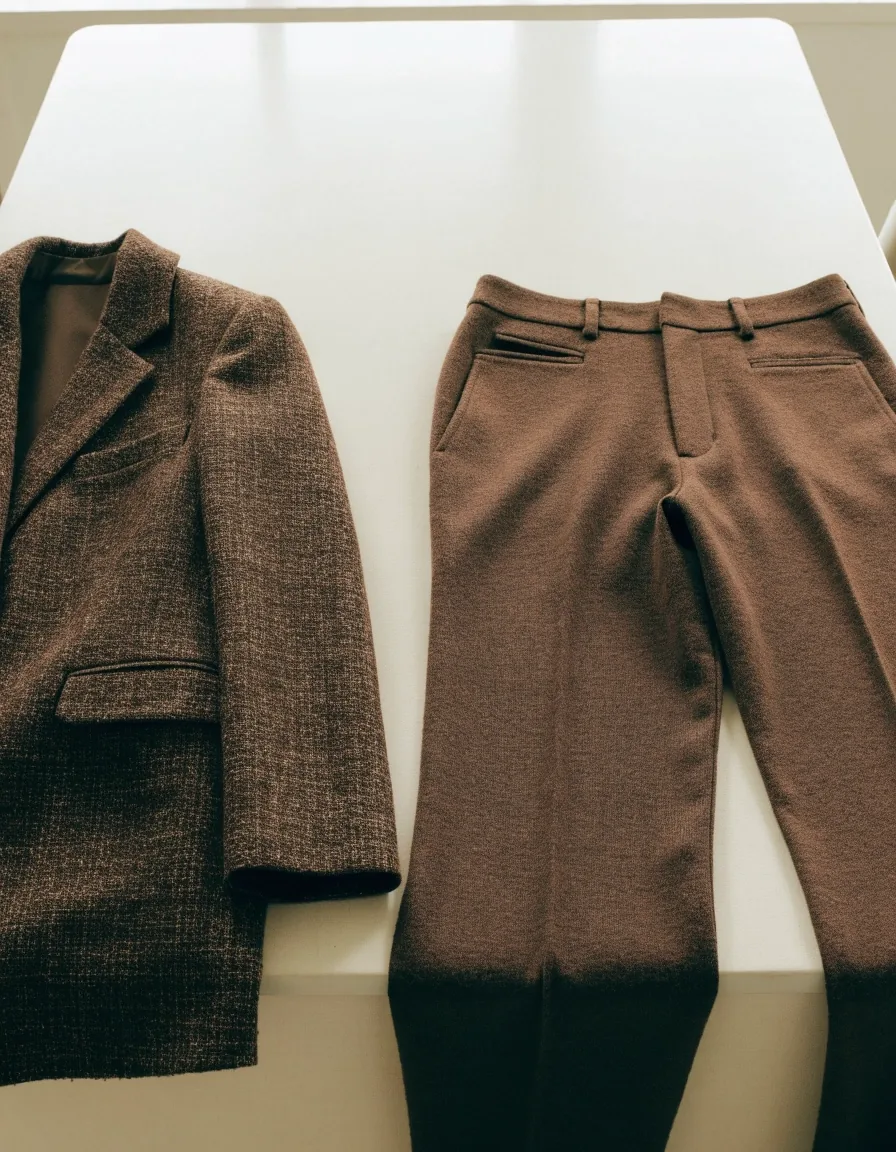
Quiet luxury has been drifting toward sharper styling, and the adjustment is mostly in the cut. Cleaner lines, more precise shoulders, less relaxed drape. If your wardrobe already leans minimal, the update is small: replace the softest piece with something more structured.
You do not need new colors or new categories. The change is in how a garment sits, which is why tailoring matters more than shopping in this phase.
Shoulder line
A defined shoulder reads sharper than a dropped one; check the seam sits on the bone, not past it.
Drape
Less fabric pooling at the hip and wrist. If a sleeve folds over your hand, it is a size question, not a style one.
Color range
Unchanged. The point of the adjustment is cut, so there is nothing to replace in your color choices.
What to replace
One soft piece — a slouchy knit or a relaxed blazer — with something that holds a line.
Street style is most useful at the detail level. We collect the techniques that appear repeatedly across different cities, since repetition suggests they actually work rather than just photograph well.

The rolled cuff
One clean roll, not three. It shortens a sleeve that swallows the hand and shows the wrist, which makes a jacket look intentional rather than borrowed.
Crossbody to break a line
A strap worn diagonally interrupts a long vertical column of coat or dress. Use it when an outfit reads too tall or too flat, and shift it to the other shoulder to see the difference.
The coat left open
Leaving a coat open shows the layer underneath and splits one large block of color into two. It only works when the inner layer is worth seeing, so plan that layer first.
Half-tuck as a proportion tool
Tucking only the front of a shirt moves the waistline up without losing the relaxed shape at the back. Useful with wide trousers where a full tuck feels too formal.
Some ideas are not worth your time. Fashion coverage rarely mentions the constraints, which is why so many adopted trends end up unworn. Here is the test we use before adding anything to a wardrobe plan.
Anything needing constant adjustment
If you are pulling at it every hour, you will stop wearing it within a month.
Anything that works in one exact pairing
A piece that needs one specific partner is a costume, not a wardrobe addition.
Anything that makes sitting down a problem
Comfort is a styling constraint like any other, and it is usually ignored first.
Anything that needs a specific event
If it only works at one kind of occasion, the cost per wear never settles.
A useful rule: if a piece needs a specific event, a specific body, and a specific pair of shoes to function, it is a photograph, not a wardrobe addition. Skip it and keep your closet calm.
Short answers to the things readers ask most often before applying a note to their own closet.
One. A single accent repeated in two or three small places reads as a decision; two competing accents usually read as an accident. If you want to change the accent, swap it at the start of a season and leave everything else alone.
Start with the shoulder seam. If it sits where your shoulder ends, the hem and waist can usually be adjusted. If the shoulders are wrong, alterations rarely fix the line, and it is better to look for a different jacket.
They are wardrobe notes, not street-style costume. The accent, tailoring and proportion ideas are about fit and color, so they apply the same way wherever you are — the street-style techniques are the only ones that lean on what is around you.
We revise this page as new runway and street-style coverage lands, and we keep the older notes visible so you can see what held up. Where a note is tied to a season, the text says so rather than quietly changing underneath you.

Style notes are the smallest unit we publish. If one of them raised a bigger question, the full reports, the capsule guides and the brand comparisons go further into the same material — and each one ends with something you can actually put on tomorrow.
Questions about a note, or want one explained in more detail? Write to Contact — the bureau is at 1245 Broadway, Suite 402, New York, NY 10001, open Monday to Friday, 9:00 AM – 6:00 PM.