Jeddah Vogue Bureau Jeddah Vogue Bureau
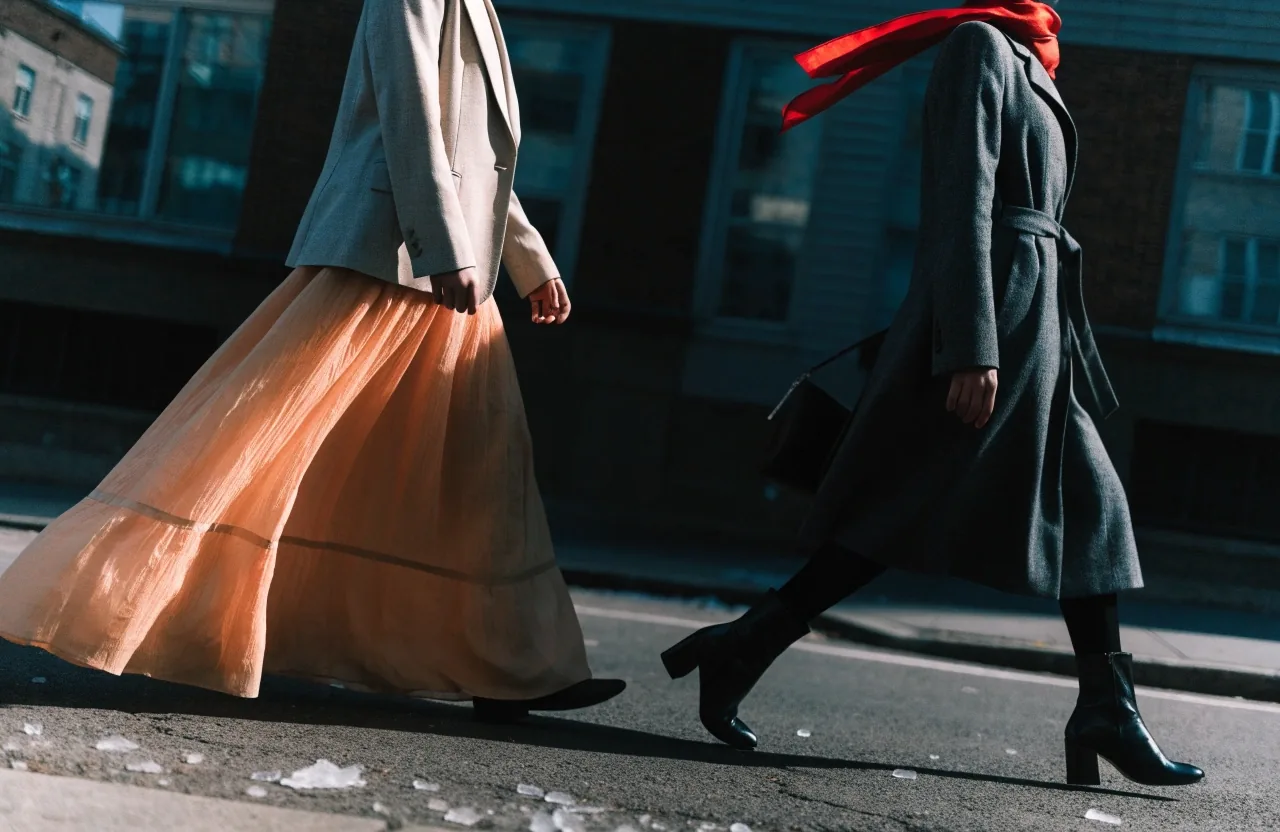
Two women in cold morning street light, one in a chiffon skirt with tailoring, one in a neutral coat with a red accent

Brand guides · New York editorial desk

How fashion brands approach design and longevity

A working comparison of design codes, materials, and wardrobe fit across seven labels — from Chloé and Celine to Cuyana and Thought Clothing. No placement, no ranking, no sales.

Why this is not a ranking

Brand coverage usually turns into a ranking, and rankings are not useful when you are trying to understand why a garment costs what it costs or lasts as long as it does. This page compares how selected houses and labels approach design, materials, and wardrobe relevance. We are not selling anything and we are not paid for placement.

The goal is to give you a framework for judging a label on your own terms — the same questions a stylist asks before deciding whether a piece earns space in a closet that is already full.

7 labels

Houses and independent labels compared side by side, from heritage tailoring to calm everyday basics.

4 criteria

Design intent, material choices, how core pieces are treated, and how the output holds up in a real wardrobe.

No placement

Editorial coverage only. Nothing on this page is sponsored, ranked, or offered for purchase.

The one rule that matters

Judge the label by the pieces you would still wear in three winters.

Everything below is a way of getting to that answer faster: what each label is actually good at, where its design logic breaks down, and which questions expose the difference.

What we compare, and what we ignore

Four things earn a label a place on this page. Everything else — campaign imagery, seasonal noise, whoever is currently wearing it — is left out on purpose.

Design intent

Does the silhouette hold a line?

A label that keeps refining one silhouette for a decade is doing something different from one that reinvents itself every season. Both can be legitimate — but only one of them will still make sense in your closet next year.

Materials

Chosen for wear or for the photograph?

Weight, drape, and how a fabric behaves after twenty wears tell you more than a season's press release. Softness without structure reads unresolved within a month; structure without softness reads stiff.

Core pieces

Does the core stay available?

A label whose core product rotates out every few months is asking you to restock, not to build. Ask whether the piece you like will exist again in a slightly different form, or simply disappear.

Wardrobe fit

Does it hold up in real dressing?

The comparison only becomes useful once you know which approach fits how you dress. A piece that needs a specific shoe, bag, and occasion is a different purchase from one that works on a Tuesday morning.

What we leave out

  • Hype cycles and the speed at which something trends online
  • Celebrity placement and red-carpet visibility
  • Anything that only exists inside a campaign image
  • Search volume as a stand-in for quality

Two ways of being restrained

Chloé and Celine sit on opposite sides of the same idea. One builds softness into layers and references; the other removes everything until a single colour does the work. Reading them side by side tells you what restraint means in practice.

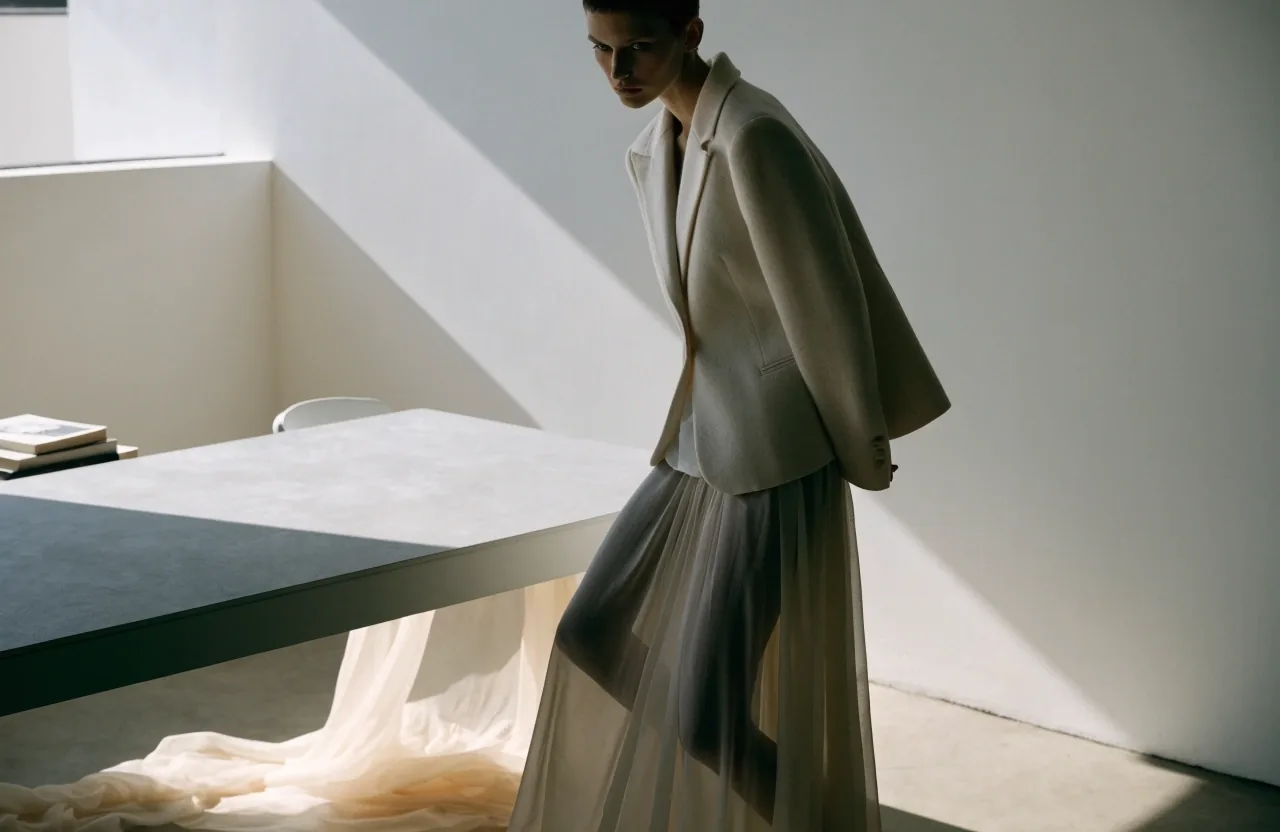
A chiffon skirt layered over a tailored jacket, laid across a reading table with fabric spilling off the edge

Chloé

Soft, romantic tailoring and bohemian references that stay consistent while the proportions shift. You know roughly what the silhouette will do before you see the show.

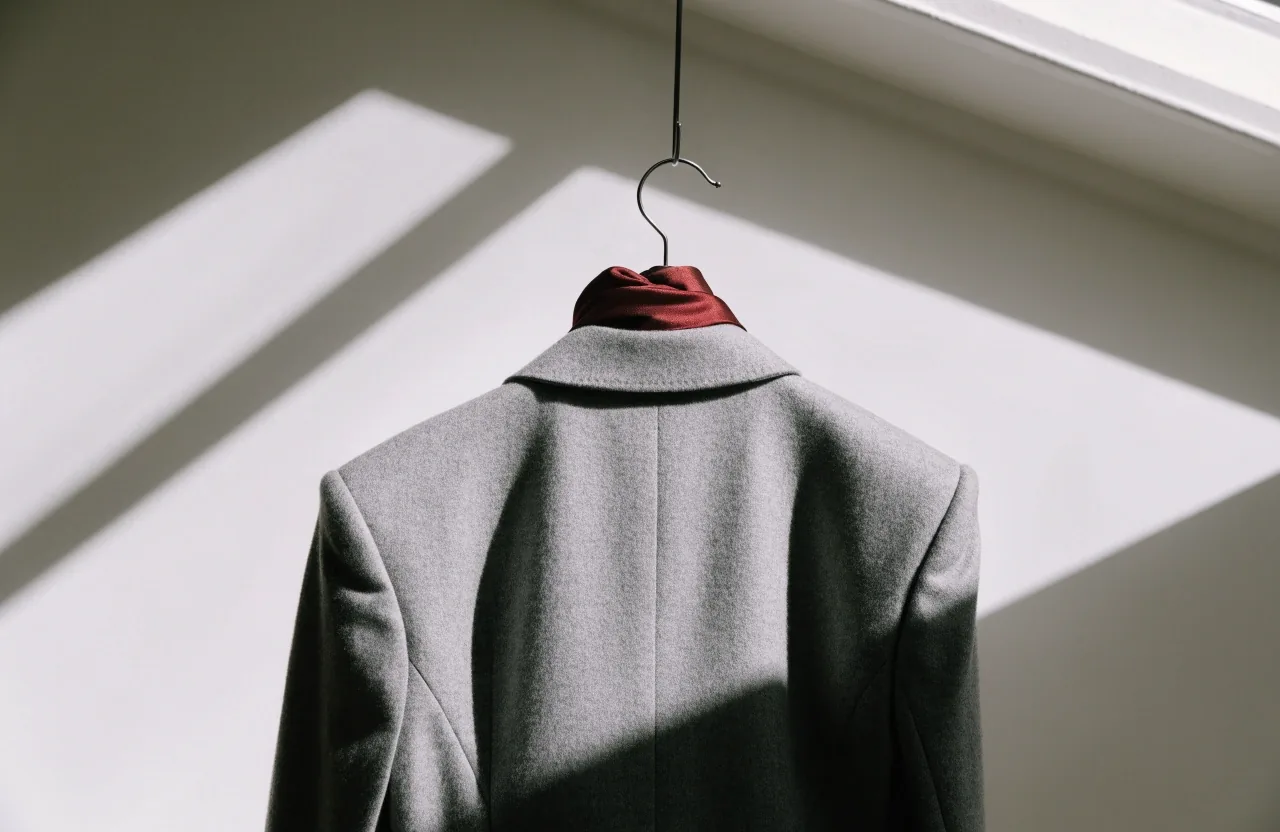
A sharply tailored grey wool blazer with a single deep red scarf as the only accent colour

Celine

Sharp, pared-back luxury and tailored basics, with a narrow palette and one controlled accent. When everything else is neutral, a single colour resets the whole wardrobe.

Reading each house on its own terms

Each label below is a case study in one design decision — not a verdict on the whole brand.

Chloé

Soft tailoring, bohemian references

Chloé keeps returning to soft, romantic tailoring and bohemian ideas, and fall 2026 coverage picked up on chiffon skirts in folksy plaid. The house works as a case study in feminine, layered dressing because the references stay consistent while the proportions shift. For a wardrobe, the takeaway is that softness needs structure somewhere to avoid looking unresolved — a plain knit or a clean trouser does the job.

Watch for

Layers that need a firm base underneath them, or the whole look drifts.

Celine

Restraint with a sharp edge

Celine is known for sharp, pared-back luxury and tailored basics, and recent coverage under Michael Rider's direction has used red as a controlled accent. That combination is instructive: the house shows how a single colour can reset a minimalist wardrobe without turning it into a costume. It also shows the value of a narrow palette — when everything is neutral, one accent reads clearly. If your closet is already mostly gray, navy, and black, this is the approach to study.

Watch for

Two accents at once — it cancels the point of the palette.

Khaite

Polished basics with direction

Khaite sits at the point where quiet luxury gets sharper. The label is known for polished, modern basics and precise tailoring, and its fall coverage has leaned on red accents in the same restrained register as Celine. The difference is in the attitude: Khaite's restraint reads as directional rather than neutral. For readers, that means the brand is a reference for elevated essentials that still look like fashion — a useful benchmark when you are deciding how much structure a basic piece needs.

Watch for

Precision that demands ironing and careful storage to keep reading.

Chanel

Heritage as a stable reference

Chanel has been referenced in fall 2026 coverage for dropped waistlines and tailoring shifts, which is notable mainly because the house changes slowly. That slowness is the point. Heritage luxury keeps remaking the same wardrobe language, and because the baseline is stable, any adjustment reads as meaningful. Tweed, polished femininity, and a recognizable silhouette do the work. As a benchmark, Chanel is useful for judging how much a trend actually changed, rather than how loudly it was announced.

Watch for

Reading a small shift as a big one because the baseline barely moves.

Cuyana

The capsule argument

Cuyana is a U.S. women's brand usually described as focused on timeless essentials rather than trend churn, and it appears in sustainable-brand roundups that emphasize long-wear pieces. Its relevance here is structural: the brand treats a small set of categories as the product, which is the same logic a capsule wardrobe uses. That makes it a fair comparison point for workwear and refined everyday accessories. It is not the only brand built this way, but it is one of the clearer examples.

Watch for

A small category set means fewer silhouettes to choose from.

Outerknown

Casual staples with durability

Outerknown appears in sustainability-focused U.S. roundups and is known for casual clothing with a surf-and-outdoors identity. The label is usually cited for staples rather than seasonal drops, which puts it in a different category from the houses above. In practical terms, that means texture and durability matter more than silhouette novelty. If your wardrobe leans casual, this is the comparison worth making: does a piece get better with wear, or just older.

Watch for

Casual cuts that read too relaxed next to tailored outerwear.

Thought Clothing

Calm basics in a loud market

Thought Clothing shows up in sustainable-clothing lists and is known for calm, wearable basics rather than high-drama trend pieces. The brand is often grouped with labels that appeal to shoppers building a long-term wardrobe, and editorial lists tend to emphasize material and construction over hype. That positioning is a deliberate trade-off: less attention, more repeat wear. For anyone tired of trend cycles, the comparison is whether a quieter brand actually delivers better construction, or just less noise.

Watch for

Quiet colour ranges that make it harder to tell pieces apart at a glance.

Shoppers in neutral coats moving along a busy weekday street, one bright red scarf among them

How demand data fits in

Lyst is a fashion data and shopping platform used in trend reporting to connect street style with shopping demand. Fall 2026 coverage cited demand jumps in specific items — a different kind of evidence from a runway photograph.

A spike in searches tells you what people noticed. It does not tell you what held up.

We use that distinction when comparing brands. Search interest answers a question about attention: which item crossed enough screens to register. Wear answers a different question: whether the seams, fabric, and cut still behave after a season of actual use. Both signals are useful, but they answer different questions, and treating one as a proxy for the other is where most brand coverage goes wrong.

Demand signals show

What a wide audience noticed in a given season.

Wardrobe evidence shows

What survives repeated wear, washing, and storage.

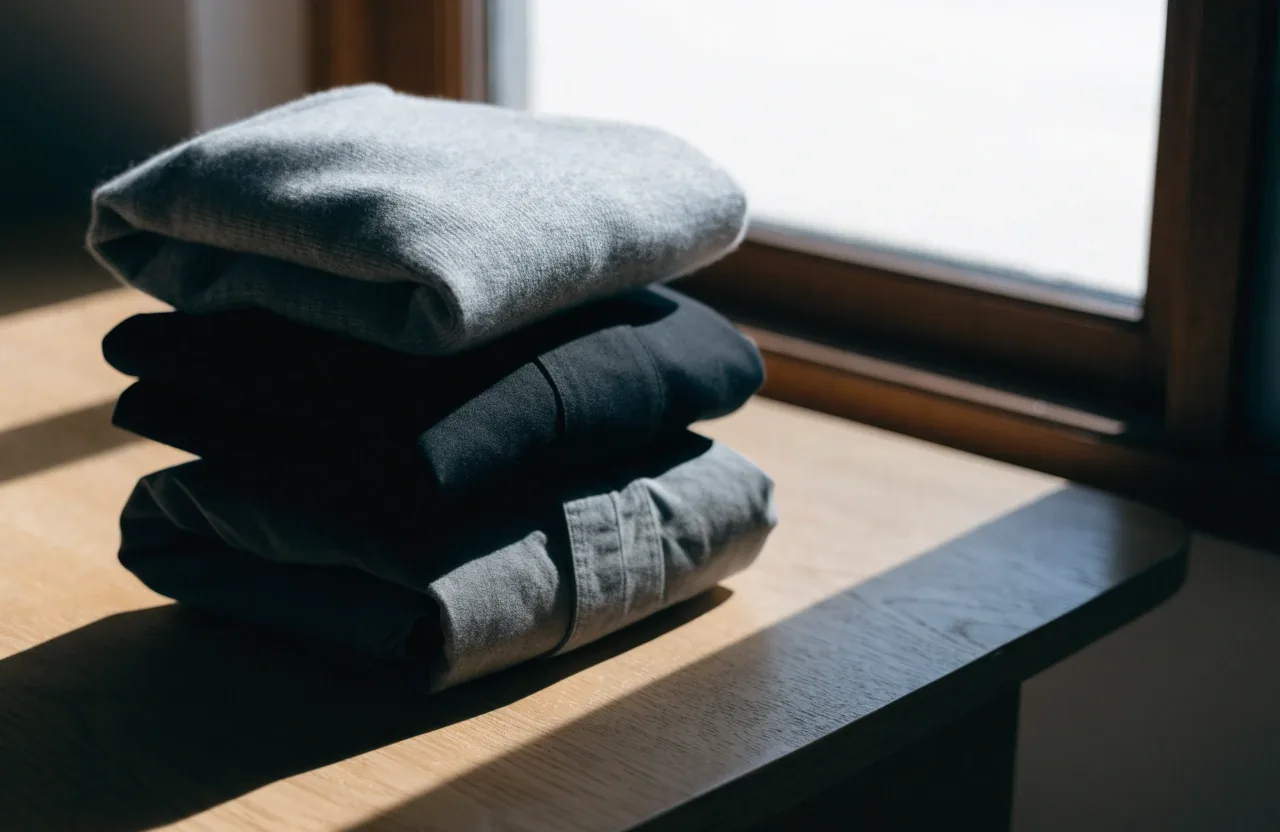
Three folded garments in a column on white paper: a grey knit, a tailored dark jacket, and a utility cotton piece

Making the comparison work for you

The practical version of all this is a short list of questions. Two or three answers will usually tell you whether a label belongs in your wardrobe.

Does the brand have a consistent design language?
Or does it chase each season and reset its own codes every few months?
Are the materials chosen for wear or for photographs?
Hold the piece up to a window. If you cannot tell what it is made of, that answers the question.
Does the core product stay available?
Or does it rotate out every few months, leaving you to start over each season?
Would you still wear it in three winters?
If the honest answer is no, the piece belongs in a trend report, not in your closet.

You do not need a ranking. You need to know what you are paying for — and that answer usually arrives faster than the trend cycle would like.

Questions we get about brand guides

If something here still feels unclear, the contact page is the fastest route to an answer.

Do you accept payment from brands to be included?

No. This is an editorial resource with no placement and nothing for sale. Brands appear on the page because they illustrate a design decision worth understanding, not because of any commercial arrangement.

Which labels should I compare first if I am rebuilding a wardrobe?

Start with the labels whose logic matches how you already dress. If your closet is mostly neutral, Celine and Khaite show what a narrow palette can do. If you lean casual, Outerknown and Thought Clothing are the more useful comparison. Cuyana sits between the two.

How often is this page updated?

The comparison follows our seasonal trend reporting. When a house shifts its silhouette or palette in a way that changes the wardrobe takeaway, we revise the entry rather than add a new one.

Can I suggest a label for review?

Yes. Suggestions are welcome through the contact page, and the most useful ones come with a reason: what the label does differently, and which part of a wardrobe it solves. We read every note even when we do not add the label.

A long pale reading table with open banded volumes and folded fabric swatches under cold daylight

Where to go next

Brand guides answer the question of who designs what. The next steps answer what to do with that: which trends are worth translating, what a capsule actually contains, and how to put the pieces together.

Jeddah Vogue Bureau · 1245 Broadway, Suite 402, New York, NY 10001 · Monday to Friday, 9:00 AM – 6:00 PM